
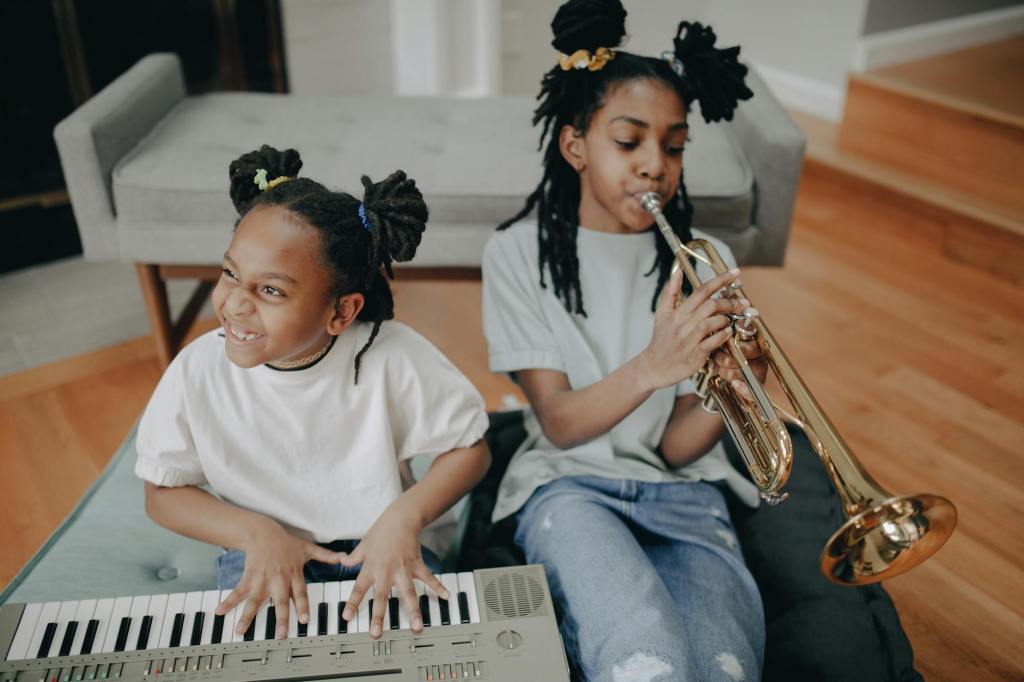
“Siblings are the people we practice on, the people who teach us about fairness and cooperation and kindness and care, quite often the hard way.” — Pamela Dugdale
Long before we step into workplaces, leadership roles, or adult relationships, we are already navigating a complex social system: our family.
And within that system, siblings are often our first teammates, competitors, allies, and challengers.
They are the people who see our earliest versions. The awkward stages, the triumphs, the jealousy, and the growth. Whether the relationship is harmonious or complicated, sibling dynamics quietly shape how we handle conflict, build trust, compete, collaborate, and lead.
In many ways, siblings are our first rehearsal for the wider world.
Siblings: Life’s first social laboratory
Sibling relationships operate like a miniature society. Inside the family home, children begin learning essential life skills:
- Negotiation
- Conflict resolution
- Fairness
- Competition
- Cooperation
- Emotional regulation
While parents guide the structure, siblings are the ones in the trenches together, sharing space, attention, and expectations.
This dynamic often creates a mix of:
- loyalty and rivalry
- affection and irritation
- admiration and comparison
For many people, siblings become the longest relationship of their lifetime, stretching from childhood memories to adult responsibilities.
That shared history can become a powerful foundation or a source of unresolved tension.
The root of sibling rivalry
Sibling conflict rarely appears randomly.
Most rivalry grows from the family environment itself.
1. The scarcity mindset
Children often perceive emotional resources as limited.
Attention, praise, affection, and validation can feel like a finite supply.
If one child is praised frequently, another may interpret it as:
“There is less approval available for me.”
This perceived competition can create a lifelong pattern of comparison.
2. Parental favouritism
Favouritism, whether intentional or unconscious, is one of the most powerful triggers of sibling tension.
When one child becomes the “golden child,” the family dynamic becomes imbalanced.
The favoured child may feel pressure to maintain expectations, while the overlooked child may carry unspoken resentment for years.
Often, neither sibling created the dynamic but both live with its consequences.
3. The comparison trap
Few sentences damage sibling relationships more than:
“Why can’t you be more like your brother or sister?”
What parents intend as motivation often becomes identity pressure.
Instead of collaboration, siblings learn to compete for validation.
Adult sibling relationships: A new stage
As adulthood arrives, sibling relationships evolve but childhood patterns often remain underneath the surface.
Life milestones frequently intensify comparison:
- marriage
- career success
- financial stability
- children
- lifestyle choices
When siblings reach these milestones at different times, tension may emerge.
For the married sibling
Be mindful not to unintentionally use marriage as a status symbol within family dynamics.
Your spouse should not become:
- a proxy in family arguments
- the enforcer of your sibling conflicts
- a replacement sibling relationship
Healthy boundaries preserve both marriage and family harmony.
For the unmarried sibling
It is normal to feel left behind in families where traditional milestones are celebrated heavily.
But your worth is not defined by marital status.
Families sometimes operate on inherited scripts and those scripts are not always accurate reflections of personal value or purpose.
The shadow of childhood roles
Many adults unknowingly continue acting out their childhood roles long after leaving home.
The “responsible one.”
The “rebellious one.”
The “quiet one.”
The “golden child.”
These identities can become emotional autopilot.
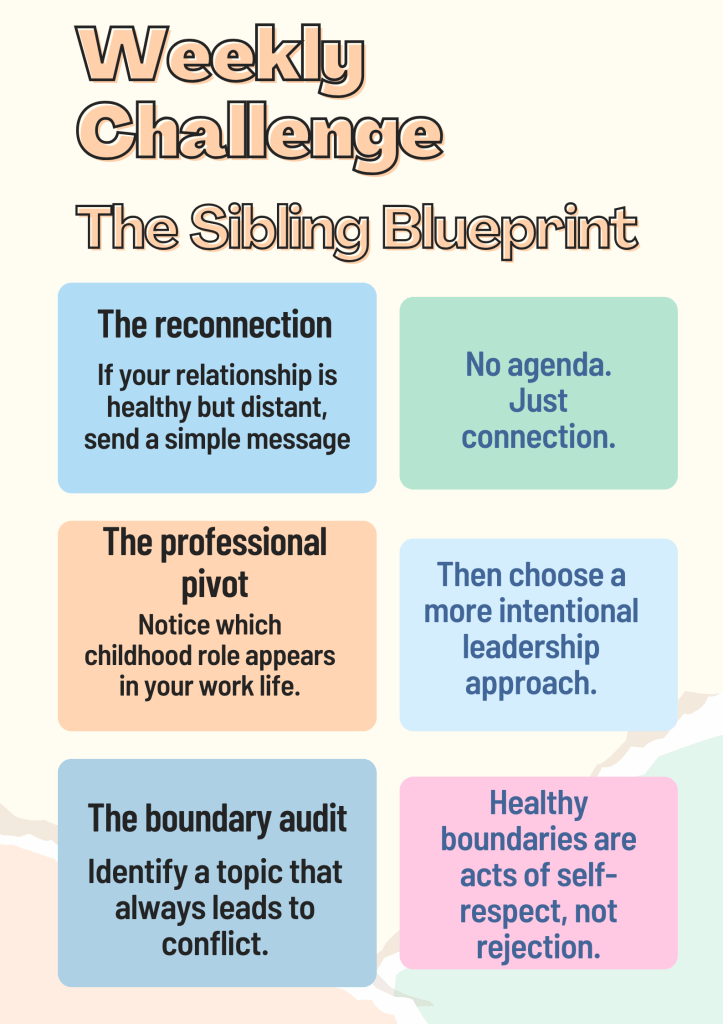
True healing begins when siblings start interacting with who each other are today, not the version frozen in childhood memory.
When sibling conflict becomes toxic
Not all sibling tension is normal rivalry.
Sometimes the relationship crosses into patterns that damage emotional wellbeing.
Signs of toxic dynamics may include:
- Persistent gaslighting: Rewriting childhood history to make you feel overly sensitive or irrational.
- Weaponised vulnerability: Using personal information shared in confidence as ammunition during conflict.
- Perpetual competition: An inability to celebrate your success without minimizing it or turning the spotlight back to themselves.
In such cases, boundaries become necessary.
The “grey rock” strategy
If distancing entirely isn’t possible especially during family gatherings, the Grey Rock Method can protect emotional energy.
The principle is simple:
Be neutral.
Be brief.
Be emotionally unreactive.
Avoid sharing sensitive information and keep conversation topics light and impersonal.
You remain polite but remove the emotional fuel that conflict thrives on.
“Siblings that say they never fight are most definitely hiding something.” — Lemony Snicket
Birth order and leadership styles
Birth order can influence personality traits that appear later in leadership and relationships.
While not absolute, certain patterns appear frequently.
The eldest child — The natural executive
Firstborns often grow up with early responsibility.
Leadership style:
- structured
- goal-oriented
- authoritative
Strengths:
- reliability
- organisation
- accountability
Challenges:
- perfectionism
- difficulty delegating
The middle child — The negotiator
Middle children learn to navigate space between older and younger siblings.
Leadership style:
- diplomatic
- collaborative
- conflict-resolution oriented
Strengths:
- empathy
- mediation
- adaptability
Challenges:
- people-pleasing
- difficulty asserting personal needs
The youngest child — The creative disruptor
The youngest often grows up in a more relaxed household environment.
Leadership style:
- innovative
- charismatic
- risk-tolerant
Strengths:
- creativity
- social influence
- flexibility
Challenges:
- structure resistance
- reliance on others for logistical tasks
The only child — The independent strategist
Only children spend more time interacting with adults, which can accelerate maturity.
Leadership style:
- independent
- self-directed
- articulate
Strengths:
- self-confidence
- focus
- strategic thinking
Challenges:
- collaboration fatigue
- difficulty navigating group dynamics
“Sisters and brothers just happen; we don’t get to choose them, but they become one of our most cherished relationships.” — Wes Adamson
The invisible roles within families
Beyond birth order, families often assign emotional roles.
- The hero: The high achiever who carries the family’s reputation. The strength of this individual is excellence but the risk is burnout.
- The scapegoat: This is the sibling who absorbs family tension through rebellion. Their strength is resilience with risk of distrust of authority.
- The lost child: This is the quiet observer who avoids conflict. Their strength is independence but risk being invisible in leadership environments.
These roles frequently follow us into professional life. The workplace becomes another stage where old patterns replay.
Self-awareness is the pivot
Understanding these patterns is not about staying stuck in them. It is about regaining choice.
If you were the peacekeeper, you can learn to engage in healthy conflict. If you were the overachiever, you can practice delegation. If you were the invisible one, you can practice taking up space.
Self-awareness allows you to respond intentionally rather than react from childhood conditioning.
Guidance for parents raising siblings
Parents influence the emotional climate siblings grow up within. Small shifts in parenting approach can prevent long-term rivalry.
- Avoid labels: Calling one child “the smart one” and another “the athletic one” creates identity cages.
- Celebrate individuality: Children do not need identical treatment. They need individual recognition.
- Be mindful of favouritism: Even subtle differences in validation can shape lifelong perceptions.
- Encourage direct communication: Do not become the messenger between siblings. Teach them to resolve conflict directly.
“You don’t choose your family. They are God’s gift to you, as you are to them.” — Desmond Tutu
A spiritual perspective
The Bible acknowledges both the beauty and complexity of sibling relationships.
Scripture presents siblings as a divine gift meant for mutual support, yet it does not hide the reality that jealousy and pride can fracture these bonds.
Positive examples include:
- Andrew introducing his brother Simon Peter to Jesus (John 1:41). This was a moment of selfless spiritual leadership.
- Mary and Martha supporting one another during Lazarus’s illness (John 11). They had unity in grief and faith.
Warnings also appear:
- Cain and Abel reveal the destructive power of envy.
- Joseph and his brothers illustrate how jealousy can lead to betrayal, yet also how forgiveness can restore families.
Ultimately, Scripture calls us to:
“Love one another with brotherly affection.” — Romans 12:10
The spiritual goal is transformation, moving beyond rivalry toward mutual encouragement and shared purpose.
The mirror of connection
Sibling relationships often act as mirrors.
They reflect:
- our triggers
- our insecurities
- our growth
But they do not have to dictate our future. Healing does not always mean becoming best friends.
Sometimes it means:
- establishing healthy boundaries
- releasing past expectations
- accepting who each person has become
Family should be a place of freedom, not emotional captivity.
“A sibling is a lens through which you see your childhood, and a mirror in which you see your possibilities.” — Ann Hood





 Uplifting Renewal
Leave a comment