We all make mistakes but what does it mean when these mistakes keep repeating in your life? This is an add-on to my post on breaking free from negative patterns. Make sure you read my previous post for more details. It provides information on transforming negative patterns to positive.
These patterns often stem from deep-rooted beliefs, past experiences, or learned behaviors that shape our decisions without us even realizing it. They can feel like an invisible force holding you back.
In this article, we’ll explore common negative patterns people face and how to take proactive steps to overcome them.
Example of a negative pattern: The cycle of self-sabotage in career decisions
Imagine someone who constantly turns down opportunities for growth due to fear of failure.
- They receive an opportunity: A promotion, a leadership role, or a chance to start a business arises.
- Doubt and fear creep in: Instead of embracing the opportunity, they focus on potential failure: “What if I’m not good enough?” or “What if I mess this up?”
- They make a safe choice: They decline the offer or procrastinate until the opportunity passes, convincing themselves they weren’t ready.
- Regret sets in: Later, they feel frustrated and stuck, wondering why their career isn’t advancing.
- The pattern repeats: The next time an opportunity arises, the cycle starts again.
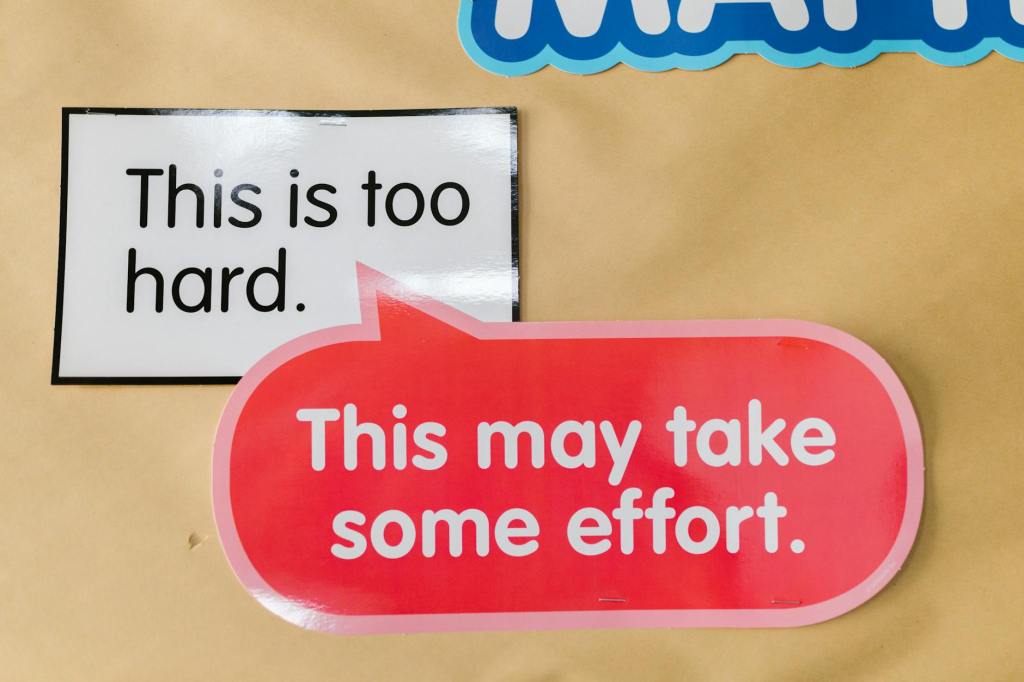
Breaking the cycle: The key to overcoming this pattern is challenging limiting beliefs. Instead of focusing on fear, practice positive self-talk, seek mentorship, and take small, courageous steps toward growth.
By recognizing and disrupting this cycle, you can start making empowering choices that lead to success instead of stagnation.
Negative Pattern in relationships: The cycle of choosing toxic partners
- Attraction to the same type: A person repeatedly finds themselves drawn to emotionally unavailable, manipulative, or toxic partners.
- Ignoring red flags: Early warning signs like lack of respect, controlling behavior, or poor communication are overlooked in the hope that “this time will be different.”
- Unhealthy relationship develops: The relationship becomes draining, filled with conflict, emotional neglect, or even abuse.
- Breakup and heartbreak: The relationship eventually falls apart, leaving feelings of disappointment, low self-worth, and emotional exhaustion.
- Repeat the cycle: Without self-reflection or healing, they enter another relationship with the same destructive pattern, convinced they just have “bad luck” in love.
Breaking the cycle: Recognizing personal worth, setting firm boundaries, healing from past wounds, and being intentional about relationship choices can help break this cycle. Seeking therapy or mentorship can also provide clarity and support in making healthier relationship decisions.
Negative pattern in career choices: The cycle of staying in unfulfilling jobs
- Taking any job out of desperation: A person repeatedly accepts jobs that don’t align with their skills, passions, or long-term goals, simply because they need immediate income or more money.
- Feeling stuck and unhappy: Over time, frustration grows as they feel unchallenged, undervalued, or unfulfilled in their role.
- Lack of growth or progress: Despite dissatisfaction, they avoid seeking better opportunities due to fear of change, self-doubt, or imposter syndrome.
- Quitting without a clear plan: Out of frustration, they leave their job impulsively, without a solid next step or career strategy.
- Repeating the cycle: Instead of making intentional career moves, they find themselves in yet another job that isn’t the right fit, continuing the cycle of dissatisfaction.
Breaking the cycle: Gaining clarity on career goals, upskilling, networking, and developing confidence in one’s abilities can help. Taking time to explore opportunities that align with strengths and aspirations, rather than settling for any available job, leads to long-term success and fulfillment.
Negative pattern in financial decisions: The cycle of impulse spending and debt
- Spending without a plan: A person frequently makes impulsive purchases without budgeting or considering long-term financial goals.
- Accumulating debt: Credit cards, loans, or “buy now, pay later” schemes pile up, leading to financial stress.
- Struggling to pay bills: They find themselves living paycheck to paycheck, barely managing to cover necessities due to overspending.
- Temporary fixes: To cope, they take on more debt, borrow from friends or family, or dip into savings, without addressing the root cause.
- Repeating the cycle: Instead of building better financial habits, they continue impulsive spending, deepening the debt trap.
Breaking the cycle: Creating a budget, tracking expenses, avoiding unnecessary purchases, and developing a savings mindset can help. Seeking financial education or guidance can also lead to long-term stability.
These cycles, whether in relationships, finances, career choices, or self-perception, can keep you stuck if left unchallenged. The key to overcoming them lies in self-awareness, intentional decision-making, and a commitment to change.
As you take steps to break free, be patient with yourself. Change takes time, and setbacks may happen, but every effort you make is a step toward a better future. Surround yourself with supportive people, seek guidance when needed, and celebrate small victories along the way.
Most importantly, believe in your ability to create new, positive patterns that align with your goals and values. You are not defined by your past mistakes or inherited struggles, you have the power to shape your future. The cycle ends with you.





 Uplifting Renewal
Leave a comment